How Clean Walkways Support Safer Sunshine Coast Businesses
For any business on the Sunshine Coast, the walkway outside the front door is often the first thing customers, delivery drivers and staff encounter. Whether you operate a café in Mooloolaba, a retail store in Maroochydore, a medical practice in Buderim or a warehouse in Kunda Park, the condition of your paths, entrances and car park surrounds directly affects safety, liability and reputation. This article explains why clean walkways matter in the Sunshine Coast's climate, what hazards build up on outdoor surfaces, and how businesses can manage them in 2026.
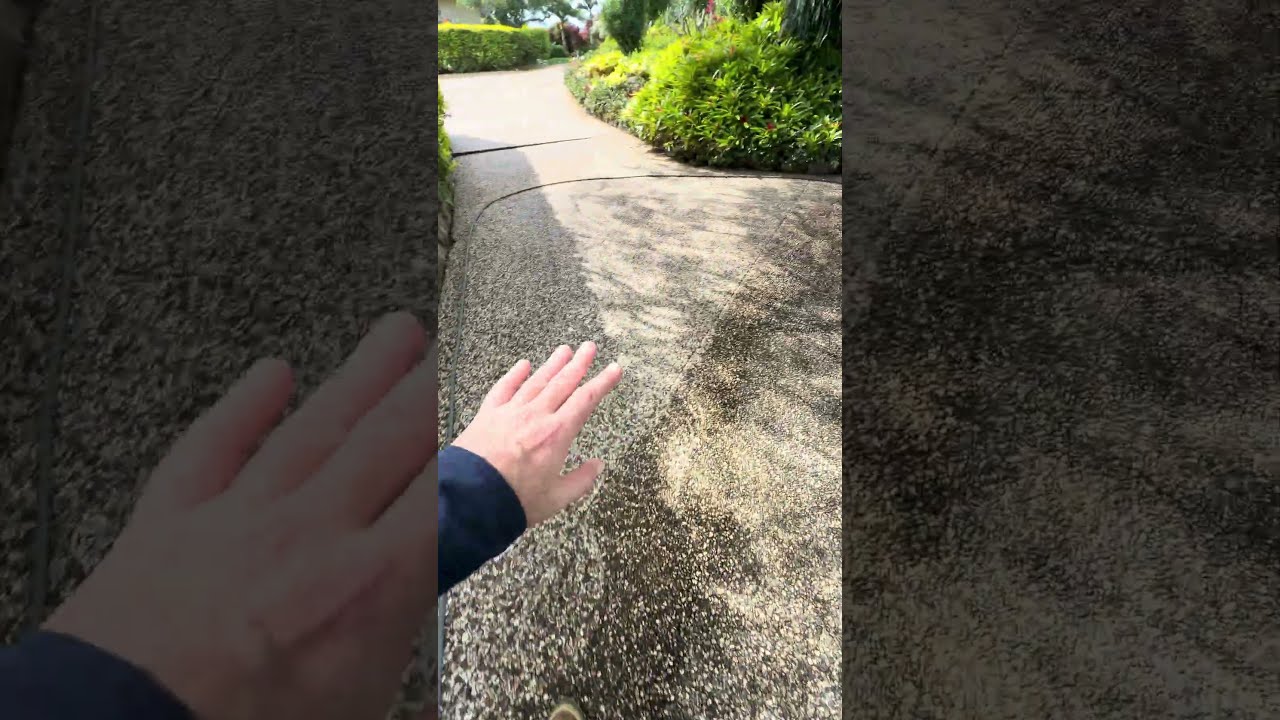
Why Walkway Cleanliness Is a Safety Issue
Slips, trips and falls are among the most common causes of injury in public and workplace environments across Australia. A walkway that looks only slightly grubby can already be unsafe underfoot. Organic growth, grease and fine grit all reduce the grip between footwear and the surface, particularly when the ground is wet.
Under Queensland's work health and safety framework, businesses have a duty to eliminate or minimise risks so far as is reasonably practicable. This applies to workers and also to customers, visitors and contractors who enter the premises. A documented approach to maintaining walkways is a practical way to show that this duty is being taken seriously.
Sunshine Coast Conditions That Make Walkways Hazardous
The region's subtropical climate creates a set of challenges that businesses in drier or cooler areas may not face to the same degree.
High Humidity and Frequent Rain
Warm, humid conditions encourage algae, moss and mould to establish quickly on concrete, pavers, tiles and timber, especially in shaded areas. Even a thin, barely visible film of algae can make a surface extremely slippery once it gets wet. Summer storms and sudden downpours can turn an apparently safe path into a hazard within minutes.
Salt Air Near the Coast
Businesses close to the beach deal with salt deposits and windblown sand. Salt can leave residue on surfaces and accelerate wear on coatings, metal handrails and fixtures. Sand acts like loose ball bearings on smooth tiles and sealed concrete, increasing the chance of a slip.
Tree Litter and Organic Debris
Leaves, flowers, fruit, sap and bird droppings accumulate beneath trees and along landscaped frontages. Wet leaves are particularly slippery, and decaying organic matter stains surfaces and feeds further biological growth.
Shaded and Poorly Drained Areas
Walkways beside buildings, under awnings or in covered courtyards stay damp for longer. Poor drainage allows water to pond, which speeds up algae growth and leaves tide-mark stains that signal where the surface remains slippery.
Common Walkway Hazards for Local Businesses
- Algae, moss and mould: The leading cause of slippery outdoor surfaces in humid regions.
- Grease and oil: Common around restaurants, cafés, bin areas, loading docks and car parks.
- Chewing gum and food spills: Sticky residue traps dirt and creates uneven, unpleasant surfaces in high-traffic retail areas.
- Rust and tannin stains: These affect appearance and can indicate drainage or irrigation problems.
- Loose debris: Sand, gravel, leaves and litter create slip and trip hazards.
- Uneven or damaged surfaces: Cracks and lifted pavers are easier to spot and address when surfaces are clean.
How Regular Cleaning Reduces Risk
Cleaning walkways is not only about appearance. It addresses the underlying causes of slip hazards and makes other problems easier to detect.

Restoring Surface Grip
Removing algae, grease and compacted dirt restores the natural texture of concrete, stone and pavers. This helps footwear grip properly, particularly during wet weather.
Revealing Hidden Defects
A clean surface makes it easier to identify cracks, trip points, worn sections and drainage faults. Staff and cleaners can report and repair these issues before they cause an incident.
Slowing Surface Deterioration
Biological growth and embedded contaminants break down sealers and can degrade surfaces over time. Regular cleaning extends the life of paving, concrete and decking, reducing long-term replacement costs.
Protecting Your Business Reputation
Customers form impressions quickly. Clean, safe and well-presented entrances signal professionalism and care. Stained, slimy or littered approaches suggest the opposite and may discourage people from entering at all.
Cleaning Methods Suited to Commercial Walkways
Different surfaces and contaminants call for different techniques. Using the wrong method can damage the surface or leave it more slippery than before.
- Pressure washing: Effective for concrete, pavers and driveways when pressure and nozzle choice are matched to the material.
- Soft washing: Uses low pressure combined with appropriate cleaning solutions to treat algae and mould on delicate surfaces such as some stone, rendered walls and older pavers.
- Hot water cleaning: Helps lift grease and oil, which is useful around food businesses and bin enclosures.
- Surface cleaners: Rotating attachments deliver even results over large flat areas, avoiding the streaking that can occur with a hand wand.
- Sealing after cleaning: Where appropriate, a quality sealer can make future maintenance easier, though businesses should confirm the product does not reduce slip resistance.
Water use and runoff also matter. Wastewater from commercial cleaning can carry detergents, oils and sediment, and it should be managed so that it does not enter stormwater drains unnecessarily. Local council requirements and environmental guidelines apply, so it is worth engaging a cleaner who understands them.
Building a Walkway Maintenance Plan
A simple, consistent plan is more effective than reacting after something goes wrong. The right frequency depends on foot traffic, tree cover, proximity to the coast and the type of business.
- Inspect regularly: Walk the premises daily or at the start of each shift, checking entrances, ramps, stairs, car parks and loading areas for spills, debris and damage.
- Sweep and clear debris: Remove leaves, sand and litter routinely, particularly after storms and windy days.
- Respond to spills immediately: Keep absorbent material and signage on hand, and clean food and oil spills straight away.
- Schedule professional cleaning: High-traffic or shaded areas may need cleaning several times a year, while low-traffic areas may need less frequent attention.
- Keep records: Note inspection dates, cleaning work and repairs. These records support your WHS obligations and may be valuable if an incident is ever investigated.
Other Safety Considerations Around Walkways
Cleaning works best alongside other risk controls.
- Lighting: Good lighting helps people see hazards, especially in the evening and during early morning deliveries.
- Drainage: Fix ponding water, blocked drains and leaking irrigation that keep surfaces damp.
- Vegetation management: Trim overhanging branches to improve sunlight and airflow, which slows algae growth.
- Signage: Use wet floor and caution signs during and after cleaning, or when weather creates temporary hazards.
- Entrance matting: Mats at doorways reduce the amount of water and grit carried indoors, protecting indoor floors as well.
- Slip-resistant treatments: Where a surface remains slippery even when clean, consider anti-slip coatings or other treatments suited to the material.
Accessibility and Compliance
The Sunshine Coast has a large number of older residents and visitors, and many customers use walking aids, mobility scooters or prams. Clean, even, well-maintained paths are essential for accessibility. Ramps, tactile indicators and kerb crossings should be kept free of debris and slippery growth so they remain usable. Businesses should also be aware of their obligations under the Disability Discrimination Act and relevant building standards, which expect accessible paths of travel to be maintained in usable condition.
The Financial Case for Clean Walkways
Preventing a single fall can save a business significant costs, including potential insurance claims, higher premiums, lost work time, legal fees and reputational damage. By comparison, scheduled cleaning is a modest, predictable expense. Clean surfaces also last longer, which delays the need for costly repairs or resurfacing. https://housewashingsunshinecoast.com.au/roof-cleaning/ For landlords and body corporate managers, well-kept common areas help maintain property value and tenant satisfaction.

Choosing a Professional Cleaning Provider
When engaging a cleaning service for commercial walkways, consider the following:
- Experience with local conditions such as algae, salt and tropical storm debris.
- Appropriate public liability insurance and safe work procedures.
- Knowledge of suitable methods for your specific surface type.
- Ability to work outside trading hours to limit disruption and keep customers safe.
- Responsible wastewater management and environmentally conscious products.
- Clear quotes and the option of ongoing maintenance schedules.
Looking Ahead to 2027 and Beyond
Expectations around workplace safety and public liability continue to rise, and businesses are increasingly expected to demonstrate proactive risk management rather than simply respond to incidents. As the Sunshine Coast grows and more visitors and residents use local commercial precincts, well-maintained walkways will remain a basic but powerful part of a safe, welcoming business environment. Planning regular cleaning and inspection into your 2026 operations, and reviewing it each year into 2027 and beyond, helps keep your premises safe, compliant and inviting.
Conclusion
Clean walkways reduce slip hazards, reveal maintenance issues, protect surfaces and show customers that a business takes safety seriously. In the Sunshine Coast's warm, humid and coastal environment, biological growth, salt, sand and organic debris build up quickly, making a structured cleaning and inspection routine especially important. By combining regular checks, prompt spill response, suitable cleaning methods and professional support when needed, local businesses can create safer premises for staff and customers while protecting their investment in the property.
House Washing Sunshine Coast
(07) 5241 4915
Ends · CASHBAQE999